Rehabilitation After Upper Limb Amputation: Regaining Function and Independence
The loss of an upper limb, whether partial or complete, can be life-altering, impacting physical function, emotional wellbeing, and a person’s sense of independence. Rehabilitation after upper limb amputation is not just about healing the residual limb; it’s about retraining the brain, regaining function, and adapting to a new way of interacting with the world.
Types of Upper Limb Amputations
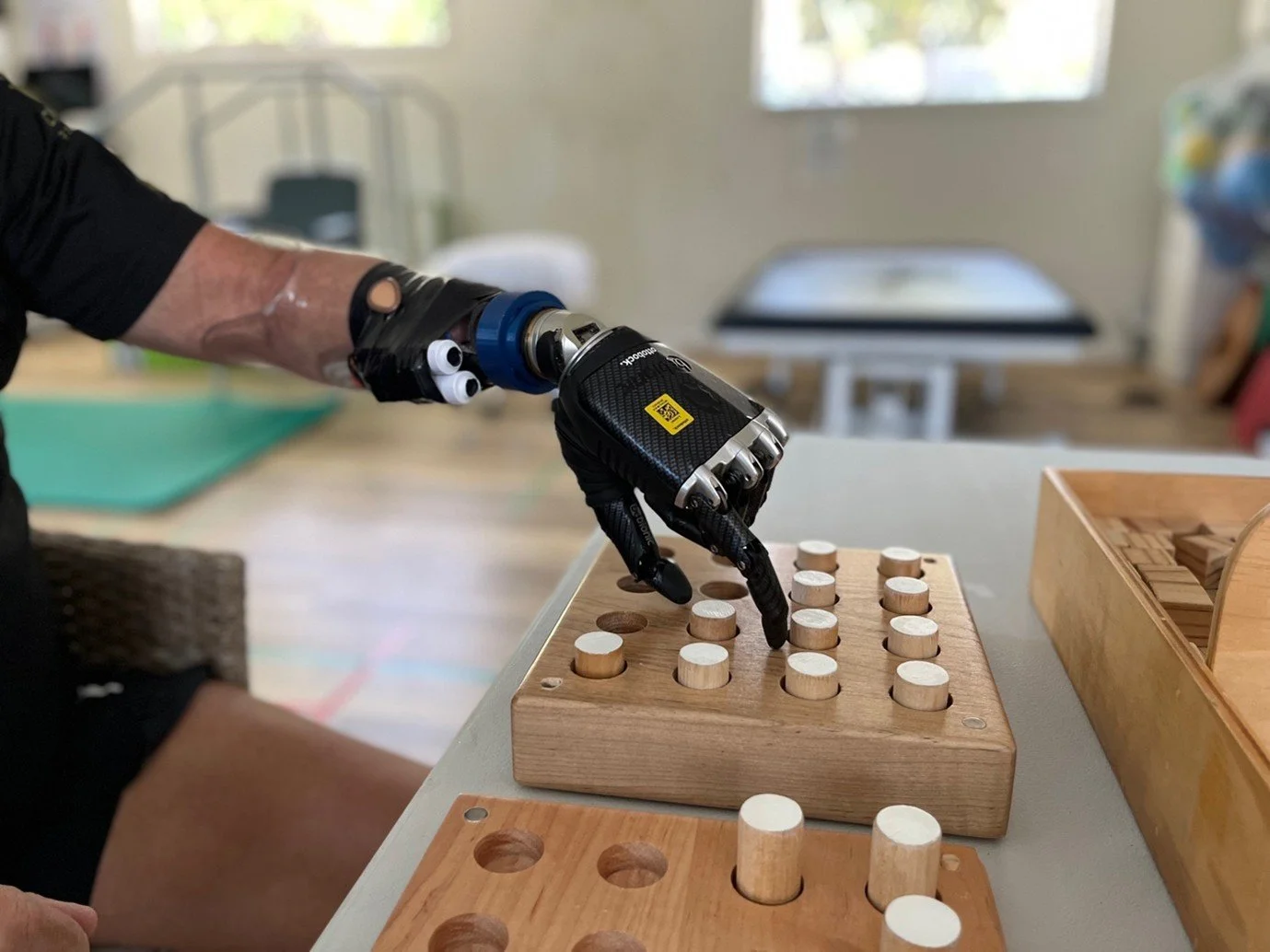
Rehabilitation plans often vary depending on the level of amputation. Each level presents unique challenges in prosthetic fitting, movement mechanics, and functional use:
Partial hand / finger amputation
Wrist disarticulation
Transradial (below elbow)
Elbow disarticulation
Transhumeral (above elbow)
Shoulder disarticulation
Understanding the level of amputation helps guide treatment planning and functional goals.
How Can Neuro Junction Physio and OT Help?
1. Right After Surgery (Immediate Post-Op)
PTs help reduce swelling, manage pain, and guide gentle arm and shoulder movements to prevent stiffness.
OTs teach how to care for the limb, position it properly, and avoid skin issues or joint problems.
Both prepare the limb for potential prosthetic use.
2. Regaining Strength & Daily Function
PTs focus on strengthening the shoulder, upper back, and core muscles to support balance and posture.
OTs teach one-handed techniques for tasks like dressing, eating, and grooming.
OTs also introduce adaptive equipment (e.g. one-handed cutting boards, button hooks) to make daily tasks easier and safer.
Both work to promote body symmetry and reduce strain on the remaining limb.
3. Prosthetic Training (If Applicable)
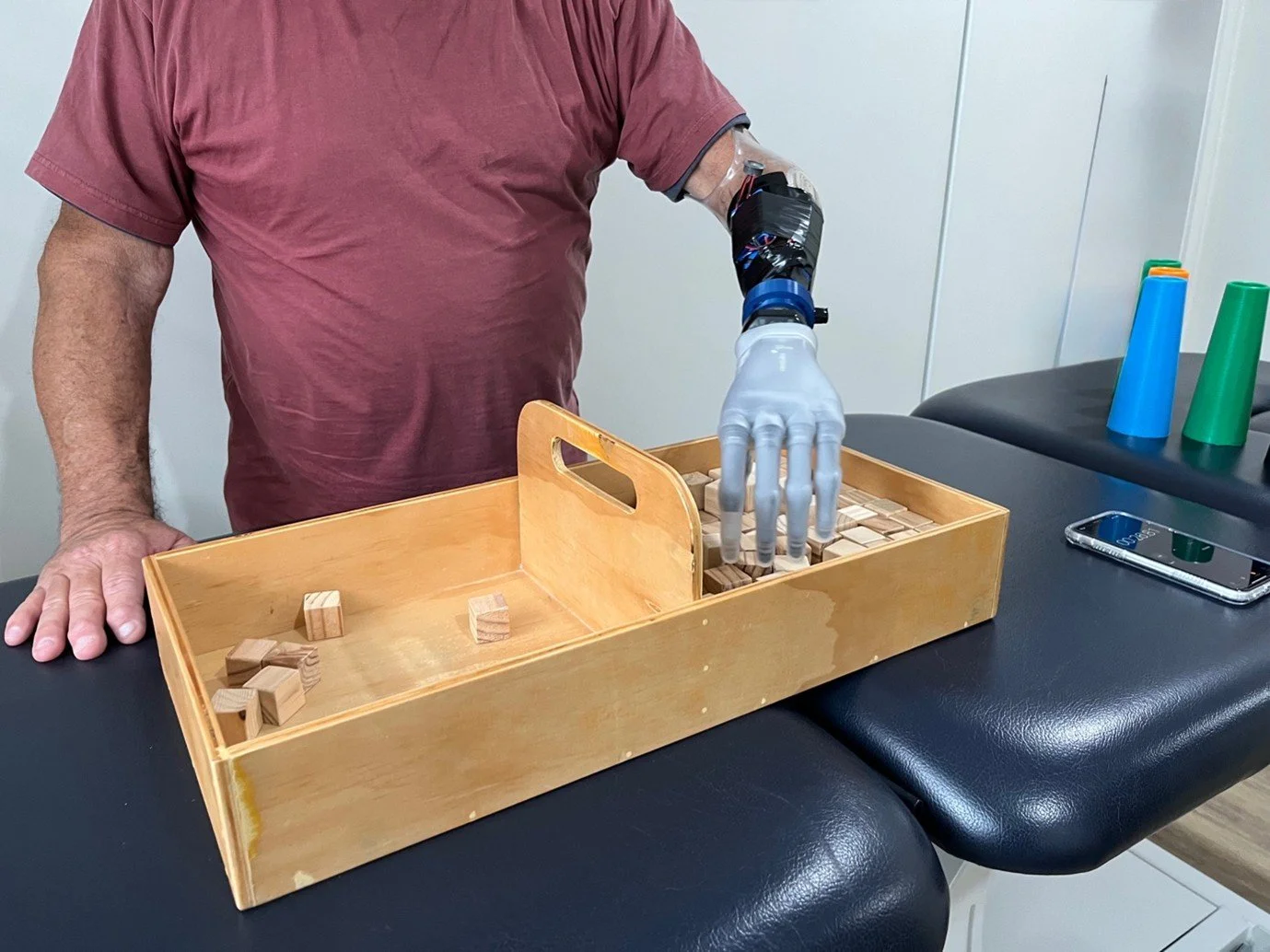
PTs help with muscle control and body awareness for using body-powered or myoelectric prostheses.
OTs train you to use the prosthesis in everyday tasks like using utensils, brushing teeth, or typing.
Both support donning/doffing, maintenance, and coordination with the prosthetic device.
4. Returning to Life Roles
PTs support the return to physical activities, mobility, and safe movement in the community or workplace.
OTs focus on goal-based training for real-world tasks (e.g. cooking, driving, work duties).
Both offer emotional support and strategies to boost confidence and independence.
With guidance from physiotherapy and occupational therapy, people can rebuild their strength, learn new skills, and return to a full and active life after amputation.
📞 (07) 5598 4725
🌐 www.neurojunction.com.au
🏠 Clinic and mobile visits available