Stronger Together: The Multidisciplinary Allied Health Team in Neurological Care
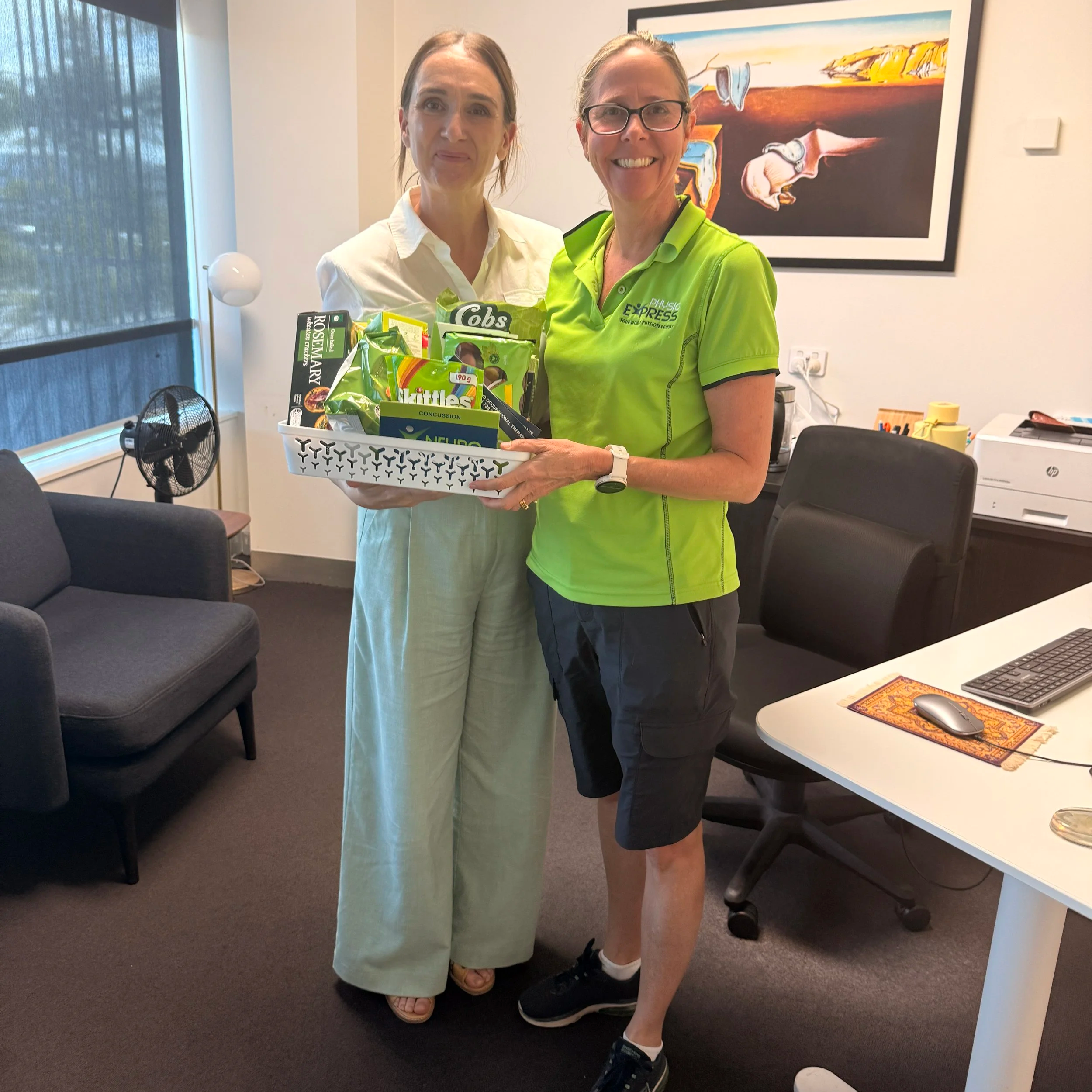
As part of our Month of Gratitude, we’re taking the opportunity to acknowledge the incredible network of allied health professionals we have the privilege of working alongside every day. Neurological rehabilitation is rarely a solo endeavour - true progress is built on collaboration, shared expertise, and an understanding of the whole person.
At the heart of what we do as neurological physiotherapists and occupational therapists is connection - not just with our clients, but with the broader team supporting them.
Working alongside psychologists and neuropsychologists : navigating complexity together
For individuals living with complex brain injuries, dementia, Persistent Post-Concussion Syndrome (PPCS), Functional Neurological Disorder (FND) and Persistent Postural-Perceptual Dizziness (PPPD), the journey is often complex. Physical symptoms are often intertwined with cognitive, emotional, and behavioural challenges.
While we focus on movement, function, and participation, psychologists support clients in managing anxiety, fatigue, cognitive load, and the emotional impact of their condition. Together, we align strategies - whether it’s pacing, graded exposure, or return-to-activity planning - so that clients receive consistent messaging and feel supported from all angles.
Our Occupational therapists (OTs) collaborate with neuropsychologists and psychologists to bridge clinical cognitive/emotional insights with daily functional independence. While psychologists address mental processes and emotions, OTs use these findings to develop practical strategies for everyday life, such as routines, environmental changes, and skill training.
More information on Functional Neurological Disorder
Partnering with speech pathologists: restoring communication and safety
Our work with speech pathologists is integral when supporting clients with communication and swallowing challenges.
For individuals with aphasia following stroke, we work together to ensure therapy is meaningful and functional - supporting communication in real-life contexts.
In conditions such as Parkinson’s disease, collaboration allows us to integrate voice, posture, breathing, and movement strategies into a cohesive plan.
For those living with progressive neurological conditions such as MND, teamwork becomes critical as swallowing and respiratory function change - supporting safety, comfort, and quality of life.
More information on Stroke
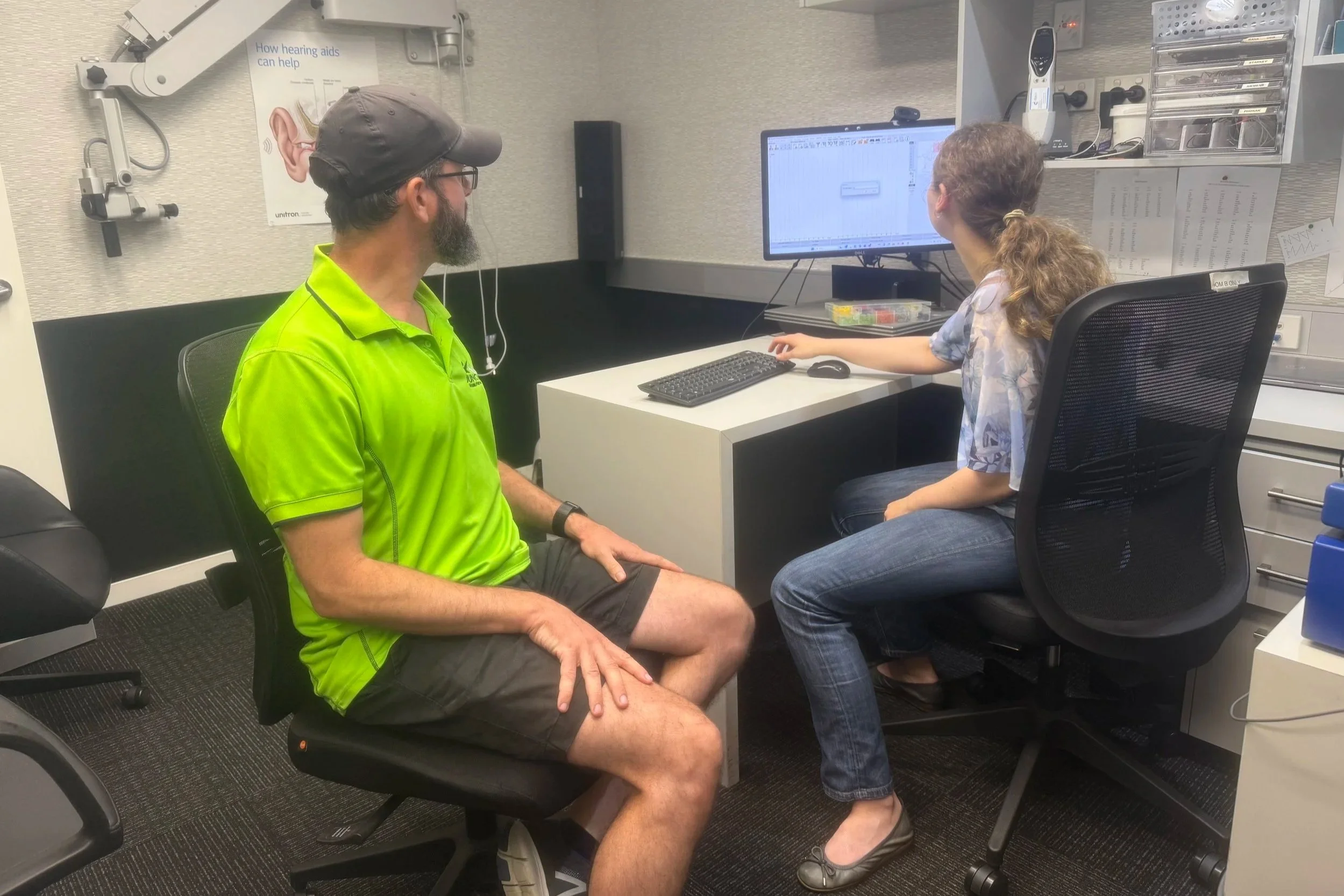
Collaborating with audiologists: understanding dizziness and balance
Audiologists play a key role in assessing and helping diagnose vestibular disorders.
Their expertise allows us to better understand the underlying causes of dizziness and balance issues, ensuring our rehabilitation is targeted, effective, and aligned with the diagnosis.
More information on Vestibular Disorders
Working with optometrists: addressing visual challenges
Following concussion or brain injury, persistent visual symptoms can significantly impact daily life.
We work closely with optometrists to support clients experiencing issues such as double vision, visual vertigo, and optic nerve palsies - integrating visual and physical rehabilitation to improve function and confidence.
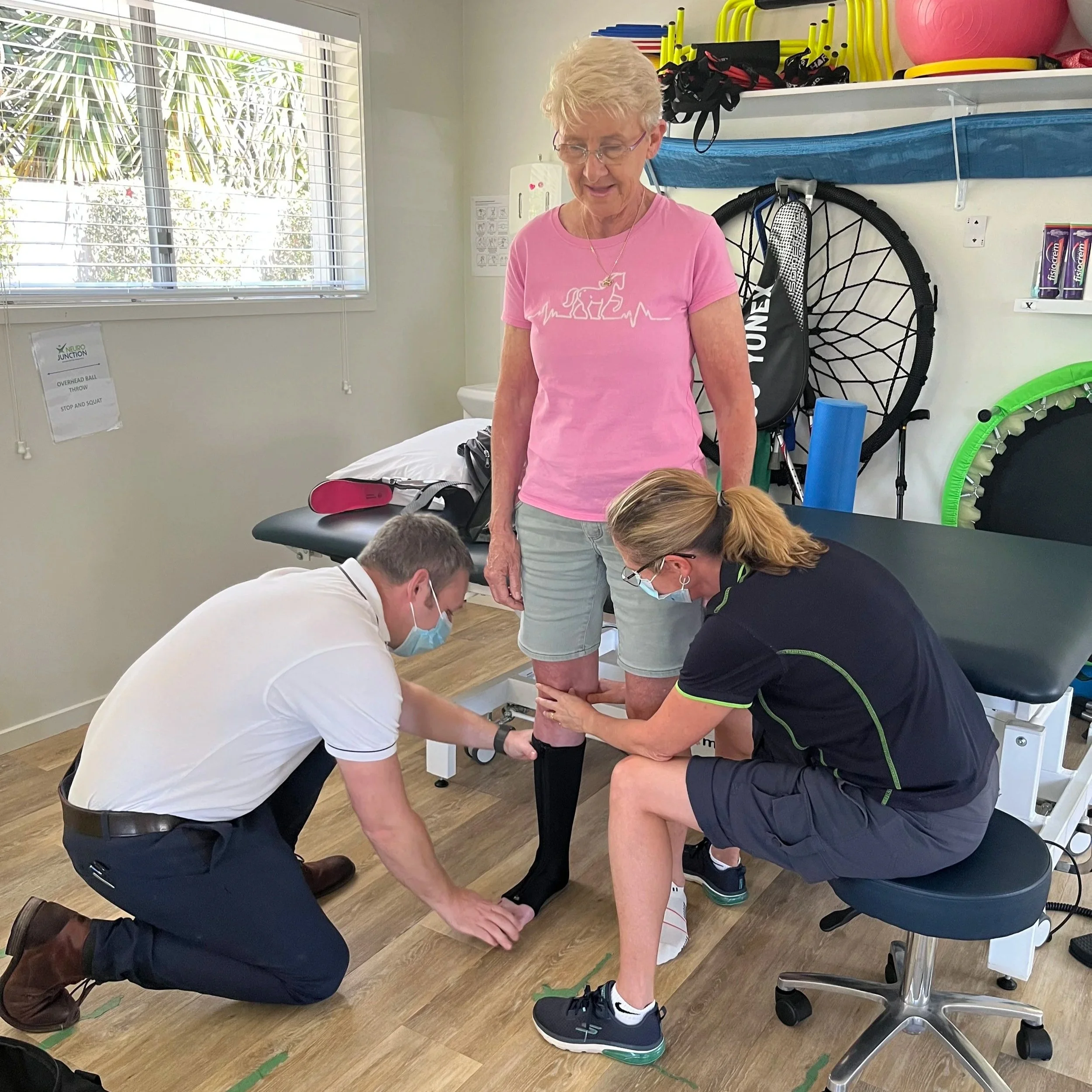
Partnering with orthotists: supporting movement and alignment
Orthotists are essential in prescribing custom orthoses, including AFOs and KAFOs.
These supports help manage spasticity, weakness, and contractures, improving alignment, mobility, and independence. Our collaboration ensures each device is functional, comfortable, and aligned with the client’s goals.
More information on Brain Injury
Working alongside prosthetists: rebuilding function after limb loss
For clients with upper or lower limb amputations, prosthetists are key partners in rehabilitation.
Together, we support individuals to adapt to their prosthesis, optimise function, and regain confidence in movement and everyday activities.
More information on Amputees
Collaborating with podiatrists: maintaining foot health and function
Podiatrists play an important role in foot care, particularly for clients with neurological conditions affecting sensation, strength, or movement.
By working together, we help maintain comfort, prevent complications, and support safe mobility.
Working with nurses: supporting day-to-day health and safety
Nurses are an essential part of the team, particularly in managing the day-to-day health needs of our clients.
We collaborate closely around continence assessment, wound management, and the prevention and care of pressure injuries. We also work together to ensure safe transfers and manual handling, and to align on mobility recommendations that support both safety and independence across all environments.
different disciplines : A shared goal = better outcomes for our clients
What ties all of this together is a shared commitment to person-centred care.
We are incredibly grateful for the multidisciplinary team we work alongside - professionals who bring insight, skill, and compassion to every interaction. By collaborating, we can provide more coordinated, holistic care that truly meets the complex needs of our clients.
Because in neurological rehabilitation, the best outcomes don’t come from working in silos, they come from working together.