Cerebral Small Vessel Disease: How Physiotherapy Can Help
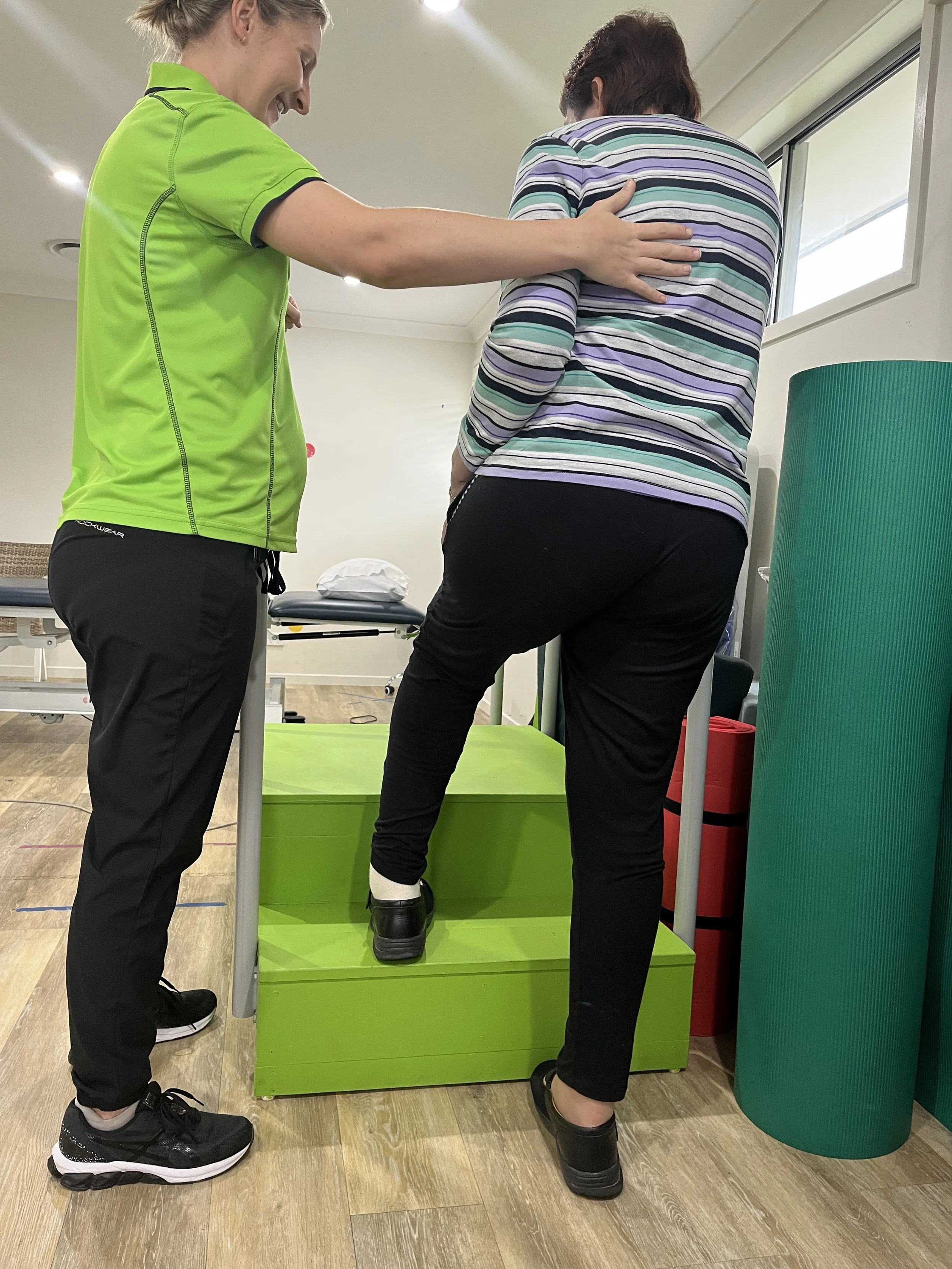
Cerebral small vessel disease (also known as microangiopathy) is a common condition that affects the tiny blood vessels deep within the brain. It becomes more common with age and is a leading cause of stroke, cognitive decline, balance problems, and difficulties with walking. Although the damage cannot be reversed, physiotherapy can help people maintain their mobility, reduce falls risk, and remain independent.
What Causes Microangiopathy?
Microangiopathy develops when the small arteries in the brain become damaged over time. This reduces blood flow to the brain and can lead to tiny strokes or areas of damage within the white matter, which are often seen on MRI scans as white matter hyperintensities.
Common risk factors include:
High blood pressure
Diabetes
High cholesterol
Smoking
Heart disease
Increasing age
Physical inactivity
Managing these risk factors is important to slow disease progression.
How Can Physiotherapy Help?
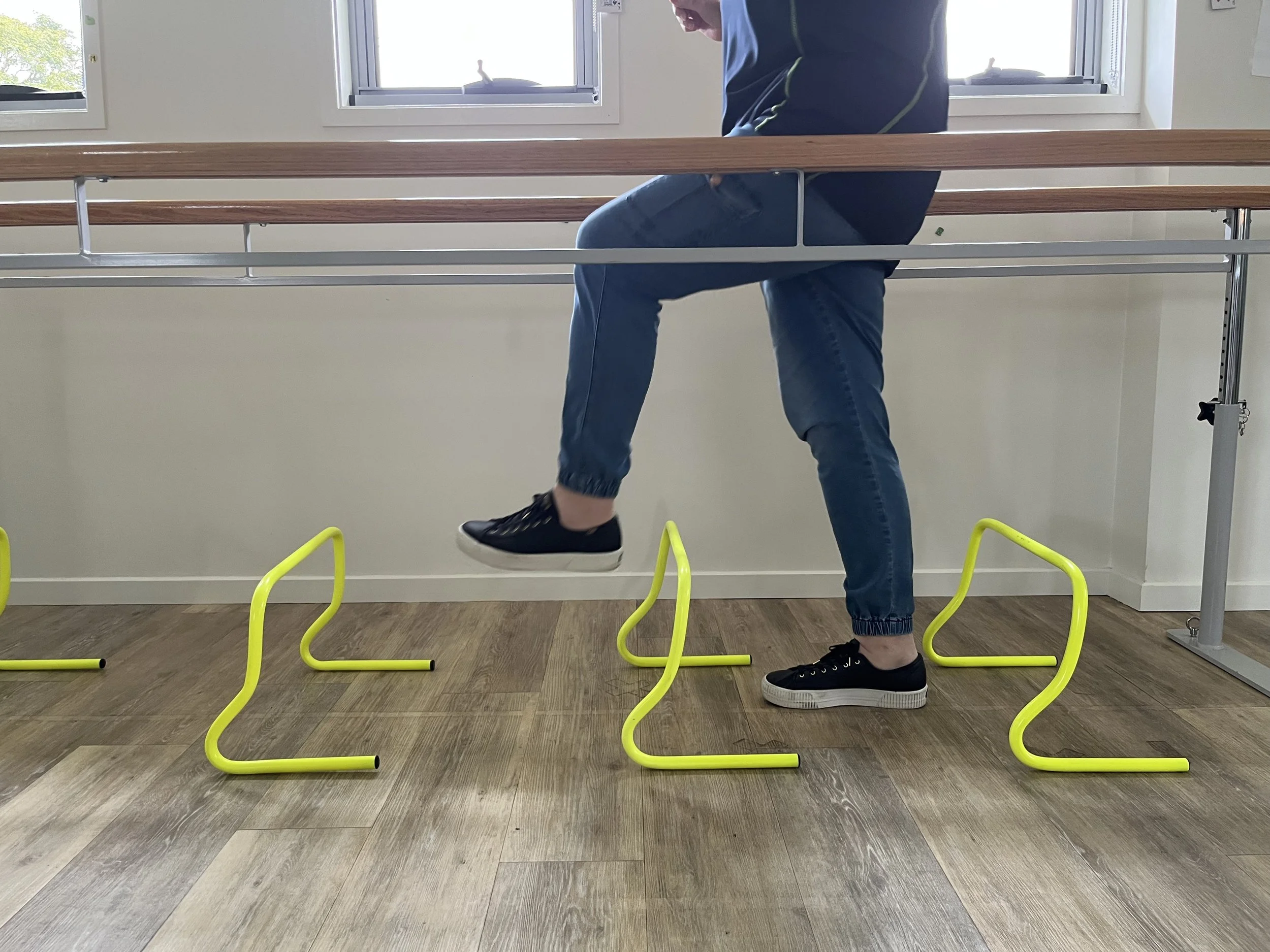
A physiotherapist will assess how the condition is affecting your movement and function by evaluating your walking, balance, strength, mobility, dizziness, and falls risk. Treatment is tailored to your individual needs and may include:
Strength training to improve lower limb function and mobility.
Balance and gait training to reduce falls risk and improve confidence when walking.
Endurance exercise such as walking or cycling to improve fitness and cardiovascular health.
Dual-task training to improve walking while performing cognitive tasks, such as talking or carrying objects.
Vestibular rehabilitation if dizziness, motion sensitivity, or unsteadiness is contributing to reduced mobility. This may include gaze stability exercises, balance retraining, habituation exercises, and strategies to improve visual and sensory integration.
Education on falls prevention, pacing activities, and strategies to remain physically active.
Take Home Message
Microangiopathy is a common condition that affects the brain's small blood vessels and can impact mobility, balance, and thinking. While it cannot be reversed, physiotherapy plays an important role in helping people stay active, reduce falls risk, and maintain their independence through personalised exercise and rehabilitation.