Postural Orthostatic Tachycardia Syndrome and How Physiotherapy Can Help
Postural Orthostatic Tachycardia Syndrome (POTS) is a complex condition that affects the autonomic nervous system — the part of our body that controls automatic functions like heart rate, blood pressure, digestion, and temperature regulation.
Because the autonomic nervous system affects many parts of the body, people with POTS can experience a wide range of symptoms, such as:
Feeling tired or low in energy
Dizziness or light-headedness, especially when standing up
Headaches
Nausea or stomach issues
Brain fog or difficulty concentrating
Feeling your heart race
Pain or muscle aches
How Physiotherapy Helps
With the right strategies and guidance, physiotherapy can play a key role in improving function, increasing activity tolerance, and enhancing quality of life. Physiotherapy focuses on safe reconditioning, symptom management, and improving daily function.
1. Education & Pacing
Education is the foundation of management. Physiotherapists teach patients how to:
Recognise triggers and early symptoms.
Conserve energy and pace activities to prevent fatigue.
Keep activity diaries to track what helps and what worsens symptoms.
Maintain hydration, follow medically advised salt strategies, and use compression garments if recommended.
2. Exercise Programs
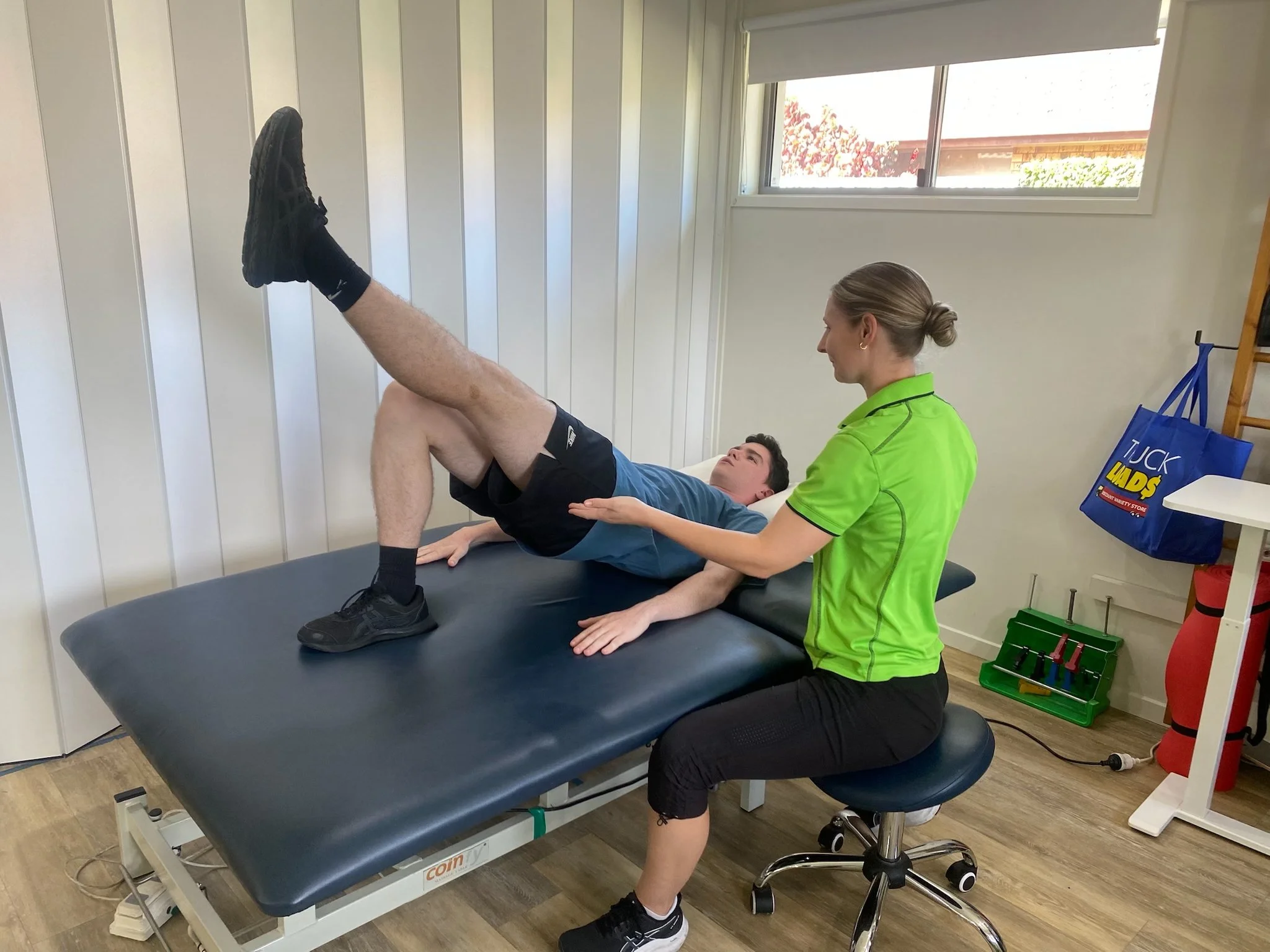
Start low and go slow: Begin with low to moderate intensity exercises and take frequent rest breaks. A physiotherapist can tailor exercises to your needs. An example program might include:
PHASE 1
Position / Focus - Lying down / recumbent
Examples - Supine leg exercises, floor-based Pilates or yoga, recumbent cycling, rowing ergometer
PHASE 2
Position / Focus - Seated or kneeling
Examples - Seated core or theraband work, aquatic therapy, seated upper limb weights
PHASE 3
Position / Focus - Upright / standing
Examples - Supported sit-to-stands, mini squats, step-ups, and walking program
3. Autonomic Regulation
Physiotherapists teach strategies to help the body cope with sudden position changes and improve circulation, such as:
Calf pumps and glute squeezes before standing.
Leg crossing or tensing when feeling dizzy.
Graded postural transitions from lying → sitting → standing.
These small techniques can make a big difference in daily life.
4. Hydrotherapy
Water-based exercise is particularly beneficial for people with POTS because:
Warm water provides gentle support for muscles and joints.
Buoyancy reduces the stress of standing and upright exercise.
Hydrotherapy allows cardiovascular conditioning without provoking dizziness or rapid heart rate increases.
5. Team-Based Care
Managing POTS often requires an interdisciplinary approach. Physiotherapists frequently work alongside:
Occupational therapists for energy conservation and equipment recommendations.
Dietitians for nutritional support and hydration strategies.
Psychologists for coping strategies and emotional wellbeing.
If you or someone you care about is living with POTS, working with a physiotherapist experienced in autonomic disorders is an important step toward better symptom management and daily functioning.