
Vestibular Migraines
Vestibular migraines (VM) are more than just headaches—they can significantly impact balance, mobility, and quality of life. As physiotherapists, understanding this condition is essential for supporting patients to regain confidence, reduce dizziness, and improve functional movement.
What is a Vestibular Migraine?
A vestibular migraine affects the vestibular system, the part of the inner ear and brain that helps control balance and spatial orientation. Unlike typical migraines, VM often presents with:
Vertigo or spinning sensations
Imbalance or unsteadiness
Motion sensitivity (triggered by head movements or visual stimuli)
Nausea or vomiting
Some patients may still experience classic migraine symptoms, but dizziness may be the primary complaint.
Impact on Mobility
VM can affect daily life in several ways:
Gait instability on uneven or low-light surfaces
Increased fall risk and fear of falling
Difficulty with movements like turning the head or bending
Deconditioning due to reduced activity
Physiotherapy Interventions
Physiotherapy can play a crucial role in improving balance and functional mobility for VM patients.
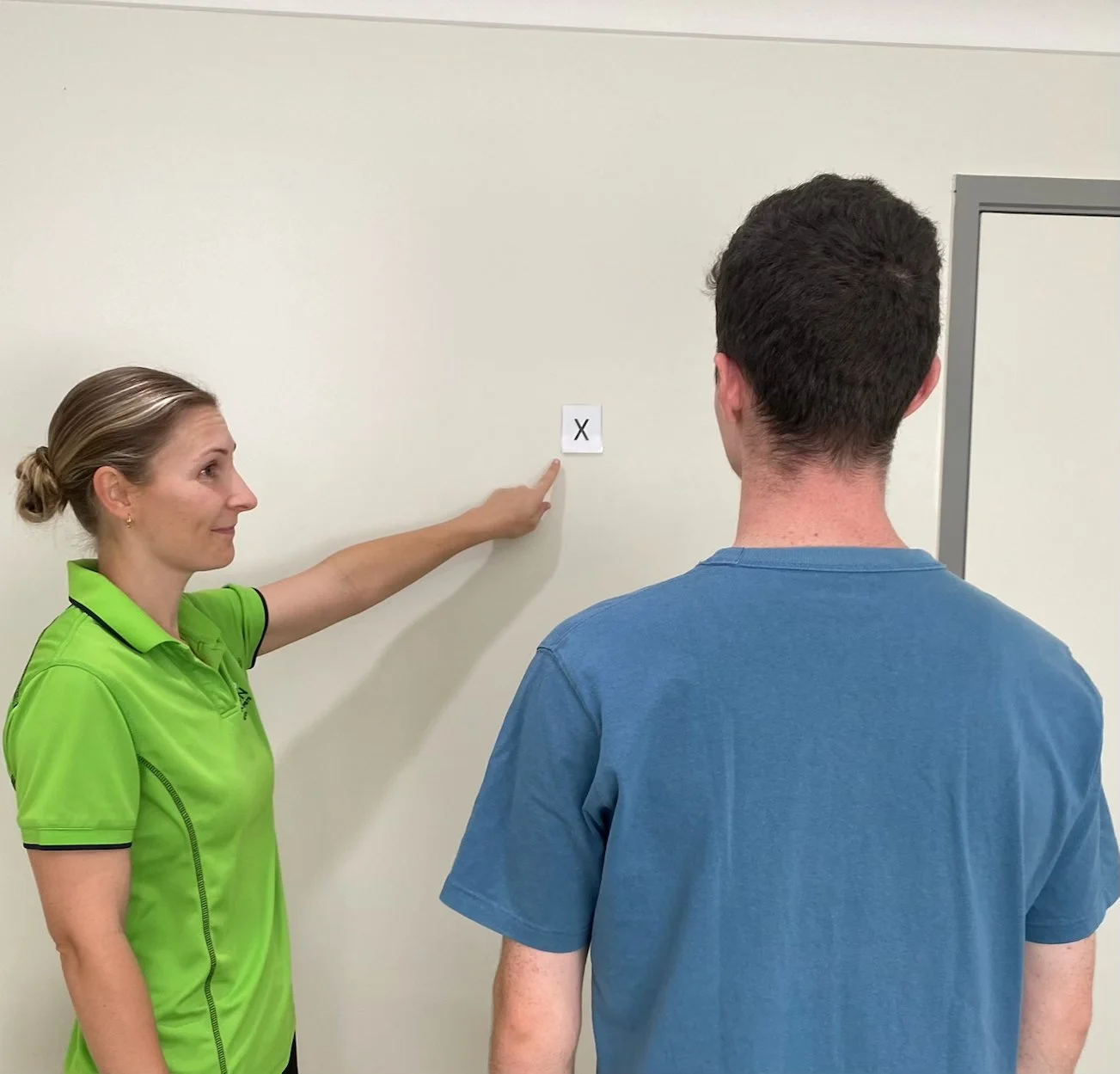
Vestibular Rehabilitation Therapy (VRT)
Gaze stabilization exercises to improve eye control during head movements
Balance training (static and dynamic) to enhance postural control
Habituation exercises to reduce motion sensitivity
Functional Mobility Training
Walking on varied surfaces, stair climbing, turning safely
Reducing reliance on visual input for balance
Gradual practice of daily activities in a controlled environment
Education and Lifestyle Guidance
Identify triggers: stress, sleep deprivation, visual overload
Encourage safe activity to prevent deconditioning
Teach strategies to manage dizziness and prevent falls
Tips for Patients
Maintain consistent sleep, hydration, and stress management
Track symptoms and triggers for your healthcare team
Stay active with guided, gentle exercises